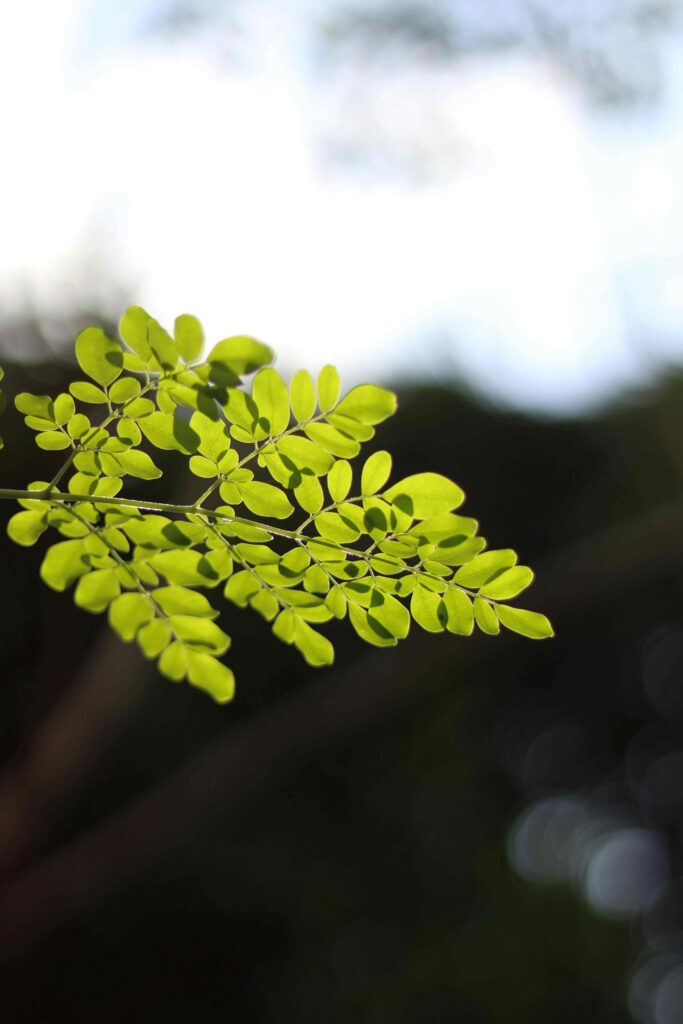
Moringa leaf benefits are closely tied to the leaf’s nutrient density and its long history as both a food and a traditional botanical. Moringa oleifera leaves provide a broad mix of micronutrients and plant compounds. Meanwhile, researchers continue to explore how moringa may fit into a balanced diet.
In Ayurveda, moringa also has a long traditional context. However, traditional use and modern clinical evidence are not the same thing. Here, we separate those perspectives and look at moringa leaf nutrition, current research, and simple ways to use moringa powder.
What Is Moringa Leaf?
Moringa oleifera grows rapidly in tropical climates. It is often called the “miracle tree,” a nickname that reflects its long history as a food and traditional botanical rather than a literal medical claim. At Sarvaa, we use only the young, tender leaves and dry them before grinding them into powder. This approach helps preserve their naturally occurring nutrients while producing a milder flavor than older leaves may have.
Our moringa is ethically sourced from small organic farms in India, which helps support traditional farming practices. At the same time, careful sourcing provides a clean and traceable superfood ingredient. It is non-GMO verified and contains no fillers or additives. Instead, you get pure moringa leaf powder that is easy to add to a daily routine.
Moringa Leaf in Ayurvedic Tradition
In Ayurveda, moringa is known as Shigru, a name often translated as “the one that moves like an arrow” because of the plant’s penetrating and clarifying qualities. Its traditional profile includes pungent, bitter, and astringent tastes along with warming, drying, and sharp qualities. These traits are commonly described as balancing for Vata and Kapha doshas. In addition, traditional practitioners have used moringa in preparations associated with digestion, movement, and a sense of lightness when the body feels heavy or sluggish.
Traditional practitioners have long incorporated moringa leaves into dals, stir-fries, and powders. These preparations were often associated with digestion, mobility, and general vitality. This was especially common during cooler seasons, when Kapha is traditionally thought to accumulate.
Have you noticed how your energy, digestion, or recovery shifts with the seasons? Moringa’s traditional qualities invite that same kind of awareness into your own daily routine.
Moringa Leaf Nutrition
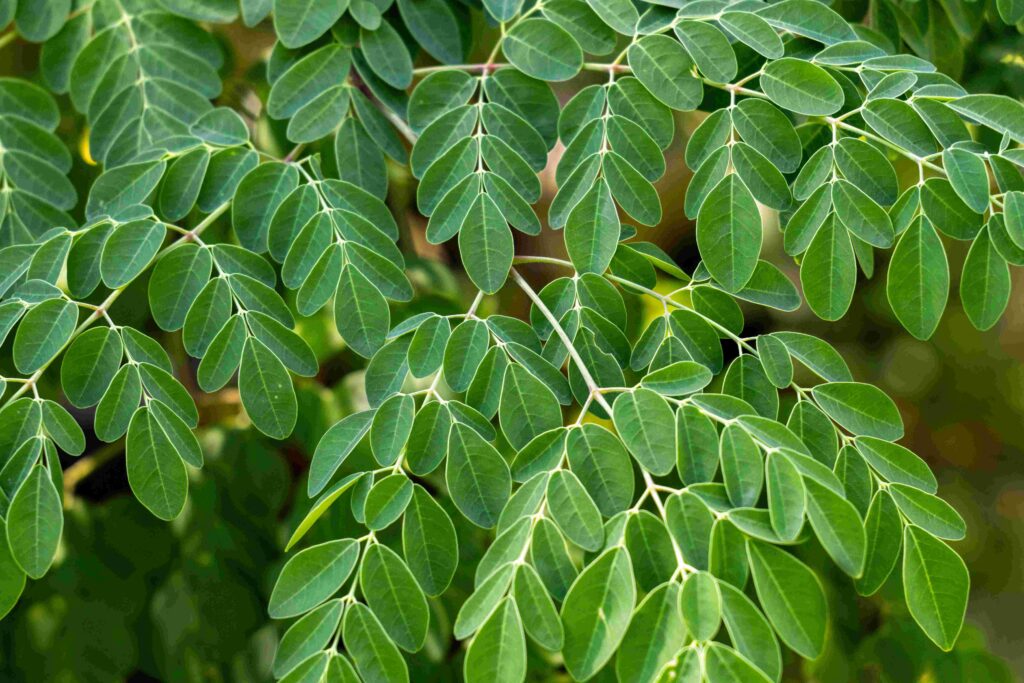
Moringa leaf stands out for the variety of nutrients found in a relatively small amount of dried plant material. Depending on the serving size and processing method, moringa powder can contribute several vitamins, minerals, amino acids, fiber, and antioxidant plant compounds.
- Vitamins: Moringa leaves contain vitamin A precursors such as beta-carotene, along with several B vitamins and vitamins C and K. These nutrients contribute to normal functions such as energy metabolism, immune function, skin health, and bone maintenance.
- Minerals: Moringa also provides minerals such as calcium, magnesium, zinc, iron, and potassium. These minerals support normal functions that include muscle activity, bone health, electrolyte balance, and recovery.
- Protein and plant compounds: Dried moringa leaves contain a range of amino acids, along with fiber and antioxidant plant compounds such as quercetin, kaempferol, and rutin.
Together, these nutrients make moringa a practical whole-food ingredient for people who want to add more nutrient-dense plant foods to a consistent diet.
What Modern Research Says About Moringa Leaf Benefits
Contemporary studies are exploring several areas that overlap with moringa’s traditional history. However, the strength of the evidence varies by outcome and study design. Emerging research suggests that compounds in moringa may influence normal metabolic processes, including the way the body handles carbohydrates. For example, one review of moringa polysaccharides discussed their potential to inhibit enzymes such as α-amylase and α-glucosidase, which are involved in carbohydrate digestion. These findings are interesting, but more human research is needed before drawing firm conclusions.
Moringa’s polyphenol and flavonoid content also contributes to its antioxidant activity. Researchers are studying how these compounds may interact with inflammatory pathways and other normal cellular processes. However, much of this work remains early and should not be interpreted as proof of a clinical effect. PMC, MDPI.
From a naturopathic perspective, these qualities fit within a whole-person approach to wellness. In practice, moringa works best as one part of a broader routine built around quality nutrition, consistent movement, and restorative sleep.
How to Use Moringa Leaf Powder
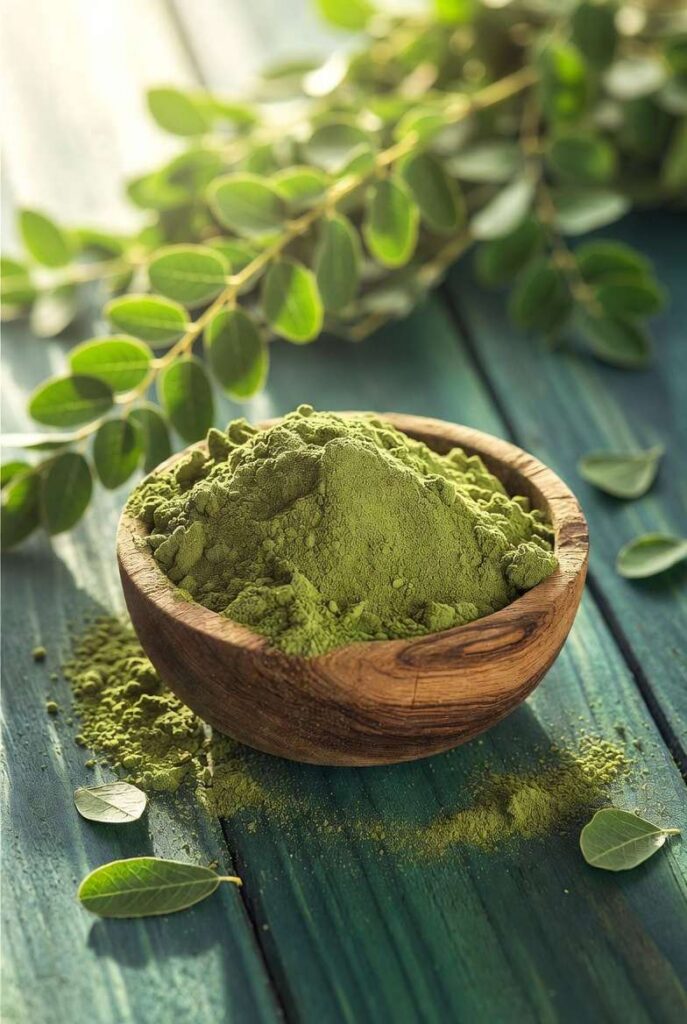
If you are exploring nutrient-dense superfoods that draw from both traditional wisdom and modern nutrition, moringa can be simple to add to foods you already enjoy. Sarvaa’s SupraGreens and Pacha Protein both include moringa alongside other greens and plant-based ingredients. As a result, they offer an easy way to include moringa in a consistent routine.

Wellness is not about perfection. Instead, it grows from consistent and intentional choices that build over time and support the life you want to live.
Try stirring 1 teaspoon of SupraGreens into a morning smoothie, warm lemon water, or a post-workout Pacha Protein shake. You can also pair it with Sarvaa Cacao Plus! or Maha Chocolate for a satisfying chocolate flavor.
Nutrition works best as part of a larger routine. Movement may include trail runs, yoga, strength training, hikes, or simply staying active throughout the day. Quality sleep matters as well. Within that bigger picture, moringa can provide additional micronutrients and plant compounds as part of a varied diet.
When you want a simple way to add more nutrient-dense foods to your routine, high-quality superfood blends can make that easier. For example, explore Sarvaa’s moringa-containing SupraGreens and Pacha Protein. Both are designed to fit naturally into everyday meals and shakes.
Be Well,
Joshua and the Sarvaa Team
Disclaimer: Insights are based on nutritional science, naturopathic principles, Ayurveda, and traditional herbal practice. Ingredient benefits reflect historical use and modern research on nutritional composition. Educational use only. This information is not medical advice and is not intended to diagnose, treat, cure, or prevent any disease. Statements have not been evaluated by the FDA.
Sources:
Xu, Yong-Bing et al. “Antioxidant and Anti-Inflammatory Activities of the Crude Extracts of Moringa oleifera from Kenya and Their Correlations with Flavonoids.” Antioxidants (Basel, Switzerland) vol. 8,8 296. 9 Aug. 2019, doi:10.3390/antiox8080296
Chiș, Adina, Paul Aimé Noubissi, Oana-Lelia Pop, Carmen Ioana Mureșan, Michel Archange Fokam Tagne, René Kamgang, Adriana Fodor, Adela-Viviana Sitar-Tăut, Angela Cozma, Olga Hilda Orășan, and et al. 2024. "Bioactive Compounds in Moringa oleifera: Mechanisms of Action, Focus on Their Anti-Inflammatory Properties" Plants 13, no. 1: 20. https://doi.org/10.3390/plants13010020
Mukhija, Radhika. “Moringa in Ayurveda.” Organic India USA, September 25, 2025. https://www.organicindiausa.com/blog/moringa-in-ayurveda/.